
DUI & Traffic
How a DUI Can Affect Your Professional License in Colorado
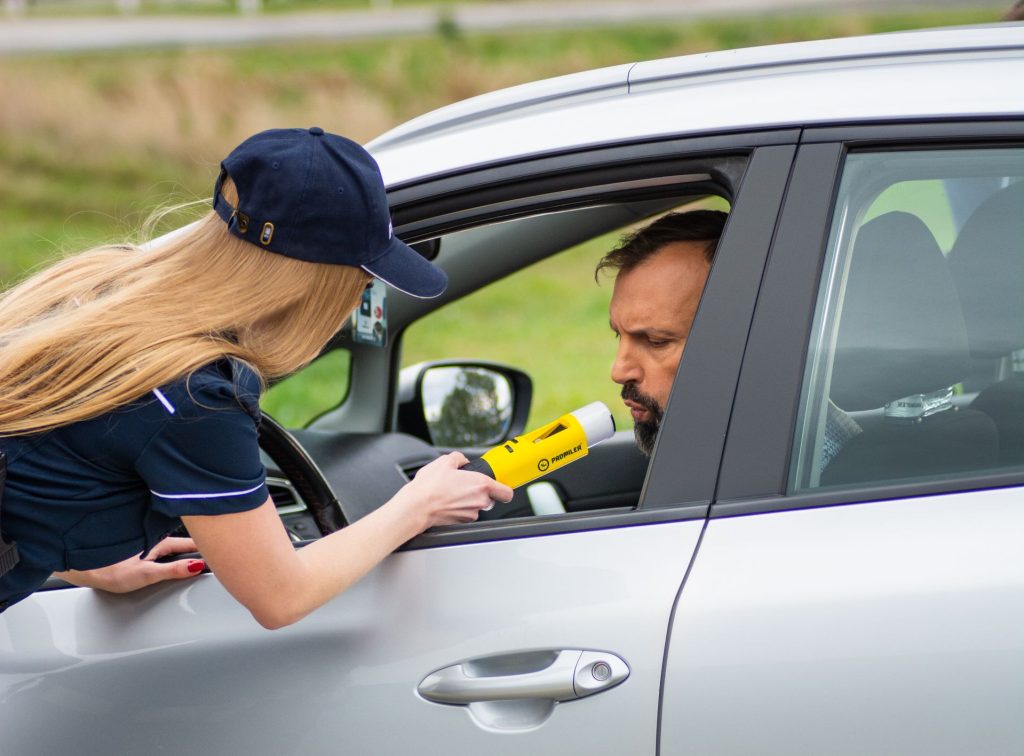
A DUI charge can threaten your paycheck fast. For licensed professionals in Colorado, the risk often reaches well beyond court fines and a suspended driver’s license.
One traffic stop after dinner in LoDo, or a late-night arrest leaving South Broadway, can create a chain reaction that lands on your employer’s desk or in front of a state board. That is the hard part. According to the Colorado Department of Regulatory Agencies, dozens of professions in Colorado are regulated through state boards and divisions that investigate conduct affecting public safety, honesty, or fitness to practice. A DUI does not automatically end a career. It can, however, open an investigation.
If you are a nurse, physician, attorney, teacher, commercial driver, or another licensed professional, the short answer is simple: yes, a Colorado DUI can affect your professional future. The bigger question is how much damage can be contained. Honestly, that usually depends on what happened, what gets reported, and how early you get legal guidance.
Why this hits differently in Colorado
Colorado professionals face a very local kind of pressure. A DUI arrest in Denver, Aurora, Boulder, or Colorado Springs rarely stays private for long once court dates, employer policies, and board reporting rules start moving.
Think about the practical reality. You may work near the Anschutz Medical Campus, meet clients downtown by the Capitol, or commute along I-25 after a Rockies game at Coors Field. In places like Cherry Creek, Highlands Ranch, Fort Collins, and Colorado Springs, professional circles can feel surprisingly small; word travels, and internal HR reviews often move faster than people expect.
During ski season and around events like the National Western Stock Show, arrests tied to celebratory nights out are not unusual. Same story after a concert at Red Rocks. I have seen professionals assume the case is “just traffic court,” only to learn that a hospital system, school district, or licensing board wants answers before the criminal case is even resolved. That’s the catch.
Colorado also has a strong regulatory culture. State agencies take public safety seriously, and many boards expect prompt disclosure. Missing a reporting deadline can create a second problem — one entirely separate from the DUI itself.
Can a DUI actually affect a professional license?
Yes. A DUI can lead to board scrutiny in Colorado.
The reason is straightforward. Many licensing authorities look at conduct involving alcohol misuse, public safety, impaired judgment, criminal convictions, and failure to report required events. According to DORA, professional boards may impose discipline for unprofessional conduct, and that can include criminal behavior relevant to practice.
- Some boards ask about convictions during renewal.
- Others require reporting within a set period after charges or disciplinary action.
- Employers may also report incidents independently.
Not every case ends in discipline. Still, even an investigation can cost time, money, and reputation damage.
Key Takeaway: In Colorado, the biggest mistake is treating a DUI like a routine driving case when your livelihood depends on a professional license. Early defense work can protect both your criminal case and your standing with a licensing board.
Which Colorado professionals face the highest risk?
Some license holders face sharper exposure than others. Jobs tied to patient care, public trust, children, controlled substances, or courtroom ethics often receive closer review.
In most cases I’ve worked on, the higher-risk groups include licensed nurses, physicians, attorneys, teachers, therapists, and commercial drivers. A pilot may also face federal consequences, though Colorado professionals still have state-level employment concerns. Different boards ask different questions. Same problem, different rulebook.
| Profession | Why a DUI may matter | Possible added concern |
| Nurses | Patient safety and impairment concerns | Mandatory disclosure to the nursing board or employer review |
| Doctors | Fitness to practice and substance-use scrutiny | Hospital credentialing review |
| Lawyers | Character and honesty expectations | Bar discipline questions |
| Teachers | Public trust and student safety issues | School district employment action |
| Commercial drivers | Driving-related work duties | CDL disqualification |
According to the Colorado Department of Revenue, drivers who refuse chemical testing face a one-year revocation for a first refusal. For a professional who drives between clinics, courthouses, job sites, or school campuses, that practical hit alone can rattle employment.
What penalties create licensing trouble?
Boards usually focus on conduct, not just labels. A reduced charge can help, but the underlying facts still matter.
In Colorado, trouble often grows from high blood alcohol allegations, refusal cases, repeat offenses, accidents, open container facts, or evidence suggesting substance dependence. According to the Colorado Judicial Branch, DUI and DWAI cases can involve jail exposure, probation terms, alcohol education, useful public service, and monitored sobriety conditions. Those facts can shape how a board views risk.
- Refusing a chemical test can look bad.
- A crash with injuries raises the stakes fast.
- Prior alcohol-related history can make discipline more likely.
And then there is disclosure. If your board application asks about convictions, do not guess. If it asks about charges, do not improvise. Small wording differences matter — a lot.
What can a licensing board in Colorado do?
Colorado boards have real power. Discipline can range from a private agreement to a full license suspension.
According to DORA, boards may issue letters of admonition, place a professional on probation, require treatment or monitoring, suspend a credential, or revoke it outright. The outcome depends on the profession, the facts, prior history, and how the licensee responds during the investigation. That last part surprises people.
- Review the triggering event.
- Request records or a written explanation.
- Evaluate public-safety concerns.
- Decide whether discipline is necessary.
Silence is not always golden here. But talking too much can be worse.
Why hiring a criminal defense attorney early can save your license
Early defense work can reduce collateral damage. That is often the difference between a manageable problem and a career detour.
A lawyer can coordinate timing, prepare disclosures, challenge weak evidence, and help you avoid statements that hurt both the court case and the board matter. I’ve seen clients spend thousands fixing avoidable mistakes after sending a rushed explanatory letter. Penny-wise; pound-foolish.
Cost matters, of course. A DUI already brings court costs, treatment fees, increased insurance premiums, reinstatement expenses, and missed work. According to the Colorado Department of Revenue, ignition interlock requirements can add monthly device and monitoring costs before full driving privileges return. Hiring counsel is an added expense, but for many professionals it is a form of income protection.
Protecting your career starts now
A DUI charge in Colorado is not just about driving. For licensed professionals, it can become a direct threat to employment, credentials, and long-term earning power.
The good news is that one arrest does not define the rest of your career. Fast, informed action helps. Better strategy helps more. If you are worried about how a DUI may affect your standing with a Colorado licensing board, Smith & Weidinger, P.L.L.C. can help you evaluate the risks and respond with a plan that fits both the criminal case and your profession.
Take the First Step Toward Justice Today
If you’ve been injured and aren’t sure what to do next, you don’t have to face it alone. The team at Smith & Weidinger is here to listen, guide you, and fight for the compensation you deserve. Every case matters—and so does every client. Call us today at (720) 996-2600 or fill out our contact form for a free, no-obligation consultation. Let us help you take the first step toward recovery and justice.