
Motorcycle Accidents
What Motorcycle Insurance Does Colorado Require and What Pays After a Crash?
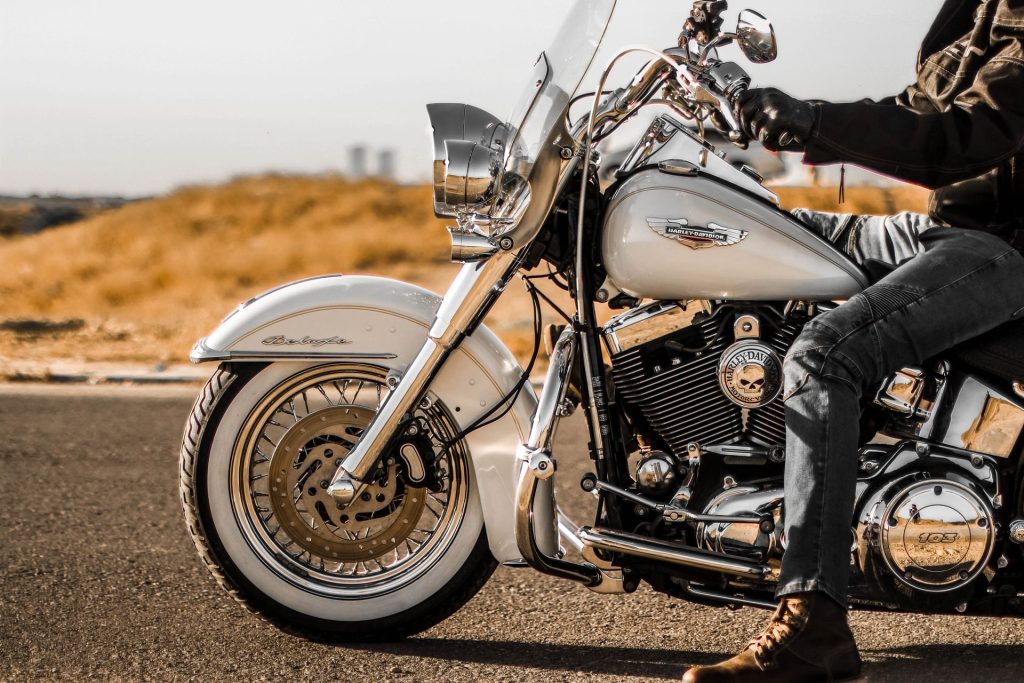
Colorado generally requires a registered motorcycle to carry liability insurance meeting state minimum limits. Liability coverage protects others when the insured rider is legally responsible, but it does not automatically pay the rider’s own injuries or motorcycle damage. Optional uninsured motorist, underinsured motorist, medical-payments, collision, comprehensive, and accessory coverage may be critical after a crash.
Colorado Motorcycle Liability Insurance Requirements
Colorado motorcycle insurance requirements generally track the state’s financial-responsibility rules. A policy must provide at least the legally required bodily-injury and property-damage liability limits. Minimum coverage may be inadequate after a serious crash, and limits can change through legislation. The declarations page and endorsements, not an insurance card alone, show the purchased limits and coverages. Riders should confirm current requirements with official state resources or a licensed insurance professional.
What Liability Coverage Does and Does Not Pay
Liability insurance responds when the insured rider is legally responsible for injury or property damage to another person, subject to policy terms and limits. It does not ordinarily compensate the insured rider for the rider’s own bodily injuries. It may pay defense costs when a covered claim is asserted. A liability insurer can investigate fault and raise exclusions, late notice, noncooperation, permission, or ownership disputes.
Uninsured and Underinsured Motorist Coverage
UM coverage may apply when an at-fault driver has no applicable insurance or cannot be identified in a covered hit-and-run. UIM coverage may apply when the at-fault driver’s limit is insufficient for covered losses. Colorado law regulates offers and waivers of this coverage, but the available amount depends on the policy and any valid rejection or selection. Household policies, stacking questions, vehicle classification, and notice requirements require document review.
Medical-Payments Coverage
Medical-payments coverage can pay covered medical expenses without first resolving fault, up to the purchased limit. It differs from health insurance and from damages sought against an at-fault driver. Colorado’s statutory rules concerning MedPay in auto policies should be reviewed with the actual motorcycle policy because vehicle and policy classifications can matter. Bills, explanations of benefits, liens, and reimbursements should be coordinated carefully.
Damage to the Motorcycle, Gear, and Accessories
Collision coverage may pay for damage from an impact, while comprehensive coverage may address theft, vandalism, weather, or other specified losses. Custom parts, helmets, riding apparel, luggage, and electronics may be limited unless separately scheduled. The insurer may dispute repair cost, total-loss value, prior damage, depreciation, or aftermarket equipment. Photographs, receipts, maintenance records, comparable listings, and an independent inspection can help.
Which Policy Applies After a Crash
The answer may involve the other driver’s liability policy, the rider’s motorcycle policy, a household auto policy, an employer’s policy, a vehicle owner’s policy, or commercial coverage. App-based work, borrowed motorcycles, newly acquired bikes, trailers, and out-of-state policies add complexity. Coverage analysis starts with complete policies, not verbal assurances. A reservation-of-rights letter or denial should be read closely and answered on the facts.
Dealing With an Insurance Investigation
Report the crash promptly and provide accurate identifying information. Do not guess about speed, distance, injury prognosis, or fault. Preserve the motorcycle and gear. Before signing a release, check whether it resolves bodily injury, property damage, UM/UIM rights, liens, or unknown future losses. An insurer’s first estimate or explanation is not necessarily the final contractual answer.
Insurance Denials and Disputes
A denial may concern coverage, liability, causation, exclusions, premiums, permission, notice, or claimed misrepresentation. The denial letter should identify the policy basis. Relevant evidence can include applications, renewal notices, payment records, recorded calls, policy delivery records, and the accident investigation. A disagreement does not prove bad faith, but Colorado law imposes standards on insurer claim handling. Legal review can separate the injury claim from a potential coverage dispute.
Questions to Ask During an Initial Legal Review
A useful consultation should identify the event date and location, every person or organization involved, the available reports, insurance or DMV notices, known witnesses, medical treatment, and the next deadline. Ask which law applies, which facts remain uncertain, what evidence should be preserved, and which communications should receive a response. For an injury matter, discuss medical causation, coverage, liens, comparative fault, and realistic categories of loss. For a criminal or traffic matter, discuss the charged elements, court, administrative process, testing or observation evidence, prior-record issues, and possible collateral consequences. The lawyer should explain both strengths and risks without treating a preliminary account as proven fact.
Why Early Documentation Matters
Memories fade, video is overwritten, vehicles and property are repaired, electronic data may be deleted, and official deadlines continue to run. Create a private chronology with dates, names, symptoms, communications, and documents. Keep original files and avoid editing photographs or recordings. Do not post case details publicly or contact an opposing party to argue. Prompt preservation improves the accuracy of the review, even when the final strategy is not yet known.
How Smith & Weidinger PLLC Can Help
A careful case review begins with the incident report, photographs, witness accounts, medical records, insurance policies, and communications with adjusters. It may also require vehicle data, surveillance video, property records, employment documents, or expert analysis. No single item proves every claim. The evidence must connect a legally responsible party’s conduct to the injury and the resulting losses. Smith & Weidinger can explain the legal process, identify time-sensitive issues, and develop a strategy grounded in the available evidence. Representation and results depend on the facts, law, forum, and professional review.
Serving Denver, Colorado Springs, Arvada, and Cheyenne
Smith & Weidinger PLLC maintains offices in Denver, Colorado Springs, Arvada, Boulder, Fort Collins, and Cheyenne. The governing law, available claims, and attorney licensing can depend on where the event occurred. Colorado-focused guidance should not be assumed to describe Wyoming law, even when a client first contacts the Cheyenne office. The firm offers a convenient point of contact for people across the Front Range and the Colorado-Wyoming corridor. A consultation can confirm the proper jurisdiction, practice area, and next steps.
Frequently Asked Questions
How quickly should I act after this type of matter?
Act promptly. Evidence can disappear, insurance or DMV notices may impose short response periods, and claims against government entities can involve special notice rules. The formal deadline depends on the event, defendant, charge, and governing law. A case-specific review is safer than relying on a general limitations summary.
Will Smith & Weidinger guarantee a particular result?
No. Ethical legal guidance cannot guarantee a dismissal, settlement, verdict, license outcome, or compensation amount. The firm can investigate, explain options, preserve evidence, and advocate based on the facts and law. Prior results or common outcomes do not determine a new matter.
Which office should I contact?
You may contact Smith & Weidinger through its Denver, Colorado Springs, Arvada, or Cheyenne office. The best office can depend on where the event occurred, which court or insurer is involved, and whether Colorado or Wyoming law applies. The firm can route the inquiry after an initial review.
What should I bring to a consultation?
Bring citations or reports, photographs, videos, witness details, insurance policies and letters, medical records, bills, repair documents, DMV notices, court paperwork, and a timeline. Do not delay solely because some documents are missing. Accurate available information is enough to begin identifying urgent issues.